



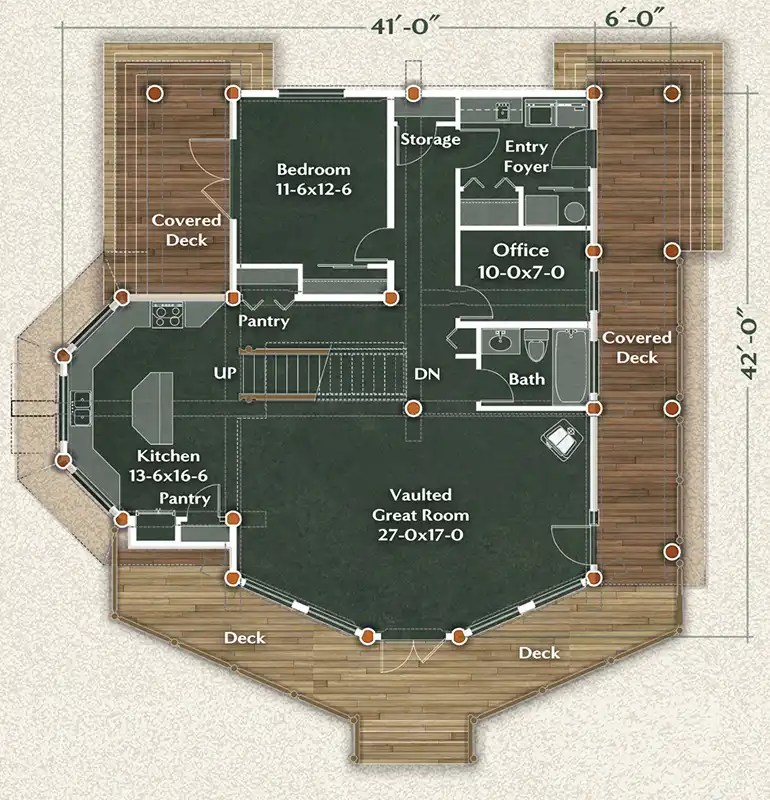
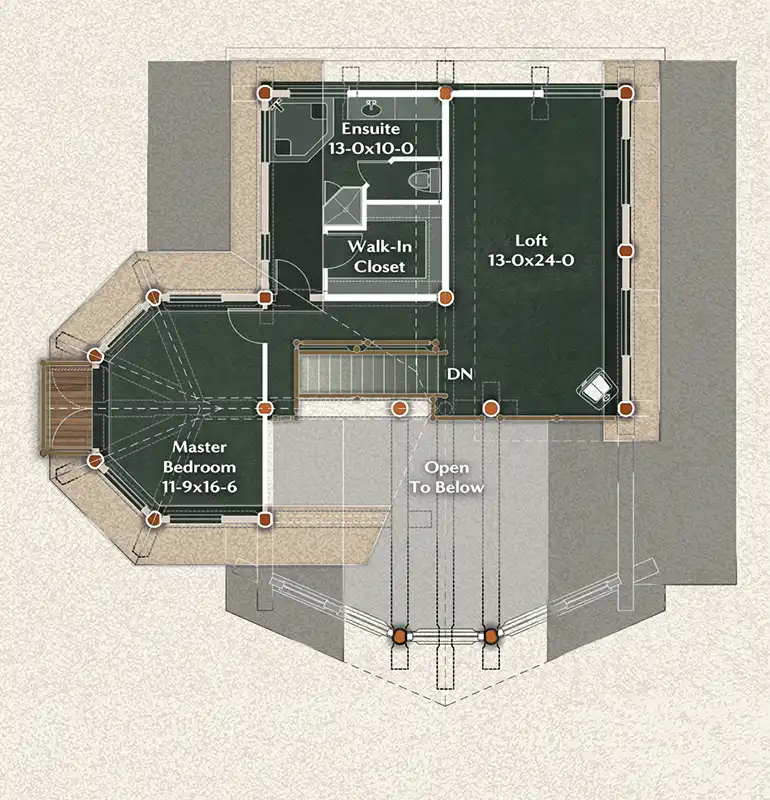
2,210
SQ. FT

3
BEDROOMS

2
BATHROOMS

Post & Beam
STYLE
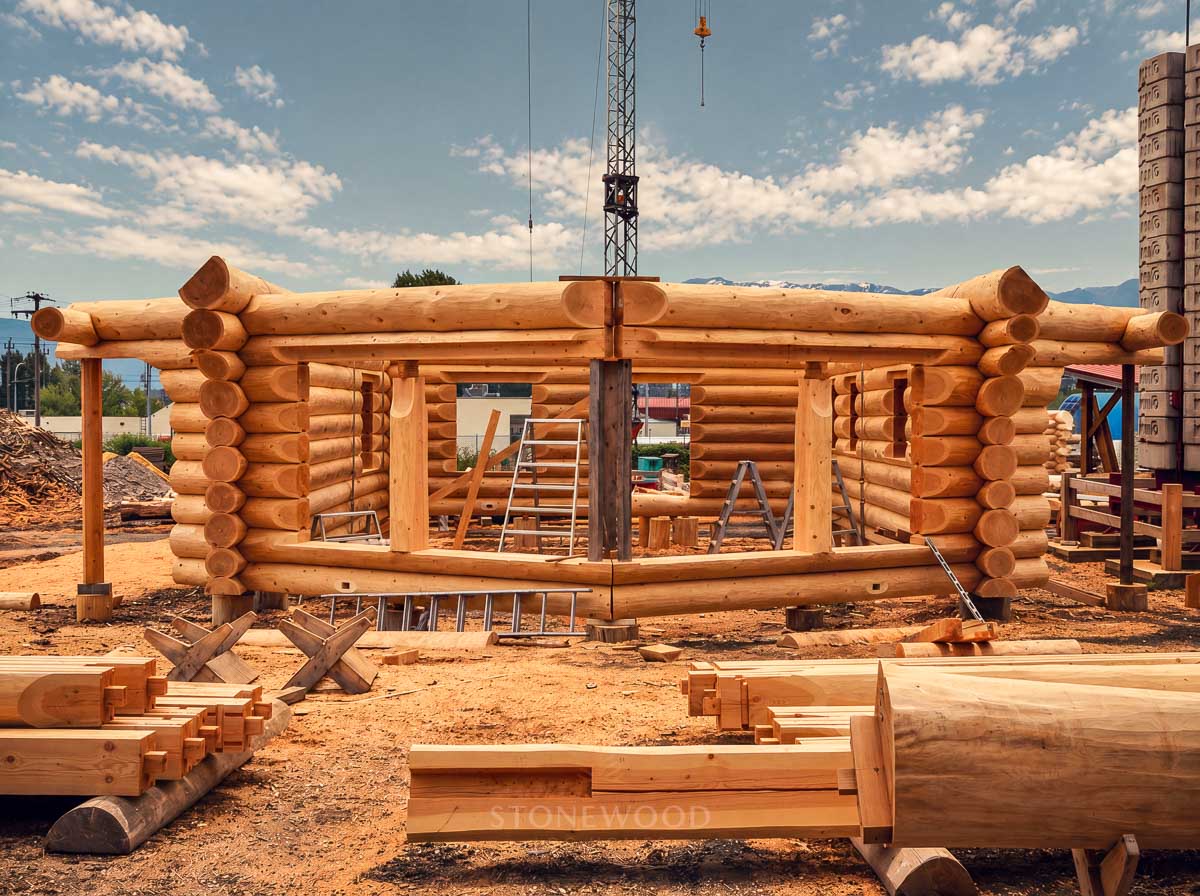
The Art of Timber Joinery
Every exceptional log home begins with the selection of its most fundamental building material: the timber itself.
Wood is a natural material, and no two species behave exactly alike. Each has its own characteristics, from structural strength and density to colour, grain pattern, dimensional stability and resistance to decay. Understanding these differences is an important part of designing and building a home that will stand the test of time.
Growing conditions also play a role. Trees from cooler climates and higher elevations often grow more slowly, producing tighter annual growth rings. However, growth rate alone does not determine timber quality. Species, grading, moisture content, harvesting practices and the individual characteristics of each log all contribute to its performance.
In Western Canada, several species have traditionally been valued for log home construction. Among the most widely used are Douglas Fir, Engelmann Spruce and Western Red Cedar. Each offers a distinctive combination of practical and aesthetic qualities.
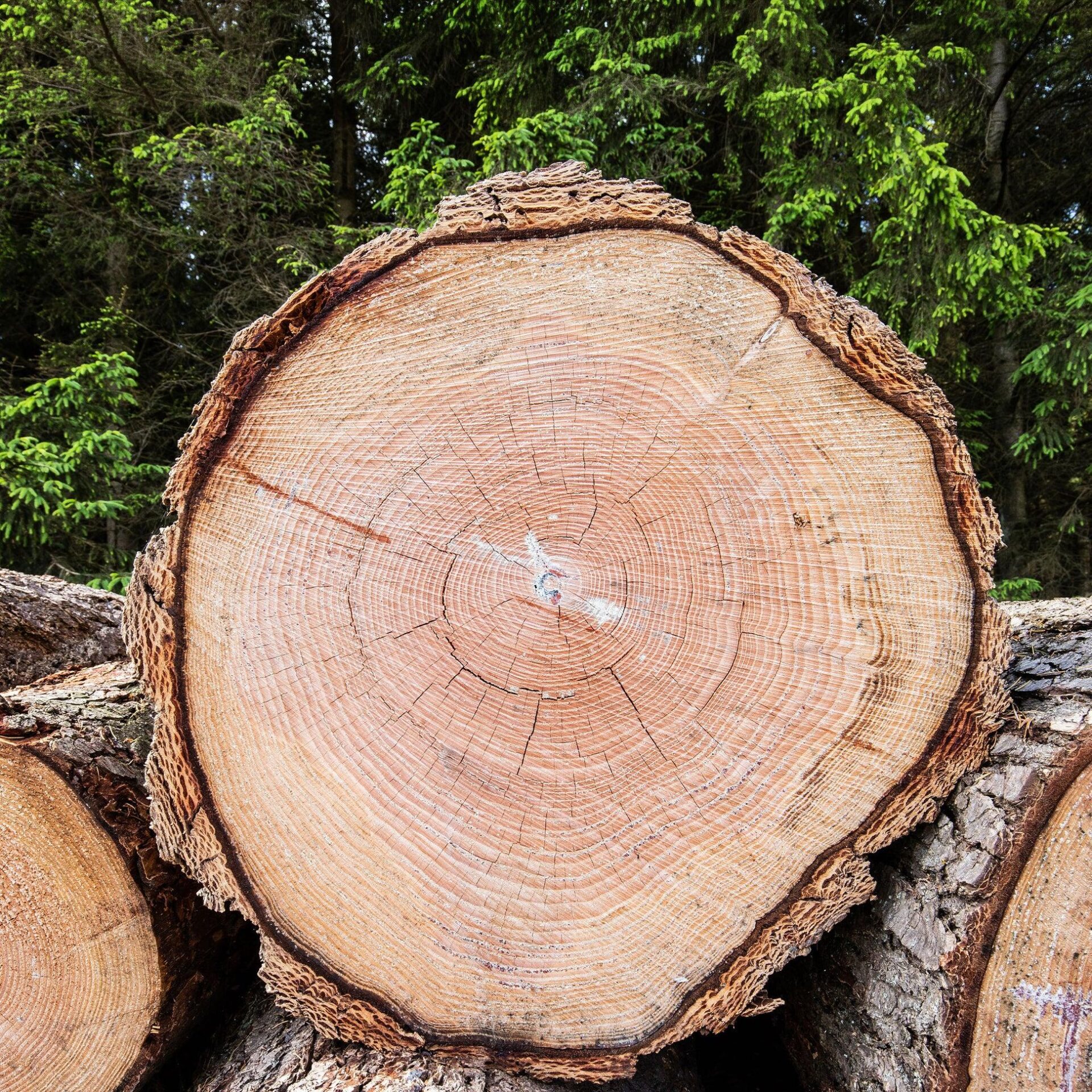
Douglas Fir
Douglas Fir is one of the most respected structural timbers in North America. Recognized for its strength, stiffness and distinctive reddish-brown heartwood, it features a generally straight grain and a strong, substantial appearance.
Its excellent structural properties make it particularly well suited to major timber components, including roof beams, ridge beams, posts, floor systems and other load-bearing elements. It is also an excellent choice for stacked log wall construction.
Douglas Fir offers a more pronounced grain character and a substantial visual presence, making it particularly attractive in homes where exposed structural timber is an important design feature.
Considerations: Douglas Fir is relatively dense and heavy compared with spruce and cedar. This can increase transportation and handling costs. Its density also means that it generally provides less thermal resistance per unit thickness than lighter wood species. As with all timber, appropriate detailing and moisture management are essential to long-term performance.
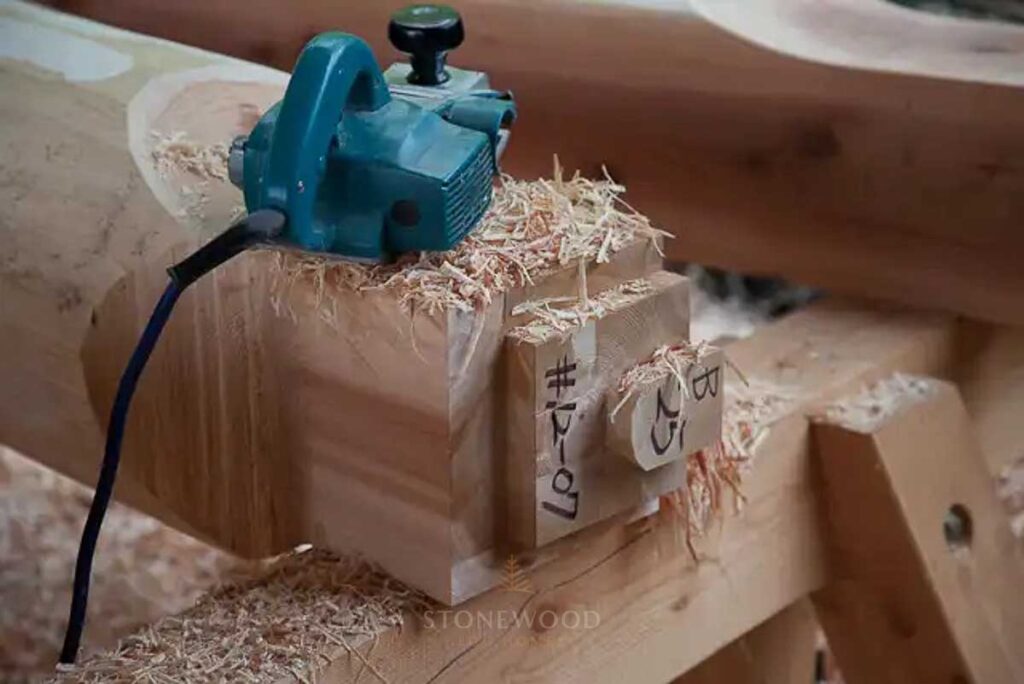
Western Red Cedar
Western Red Cedar has long been appreciated for its natural resistance to decay, distinctive aroma and beautiful range of reddish-brown heartwood tones.
Lightweight and dimensionally stable, cedar has relatively low shrinkage characteristics compared with many other commonly used building species. Its natural appearance brings warmth and depth to a log home, while its resistance to decay makes it particularly valuable in applications where moisture exposure is a consideration.
Cedar is also well suited to a variety of architectural styles, from traditional handcrafted log homes to more contemporary timber designs.
Considerations: Western Red Cedar is generally more expensive than Douglas Fir and Engelmann Spruce. It is also a relatively soft wood with lower structural strength, making it less suitable for heavily loaded beams and posts. For this reason, Douglas Fir is often a complementary choice for major structural components.
The visual contrast between the two species can be particularly attractive when their finishes are carefully coordinated.
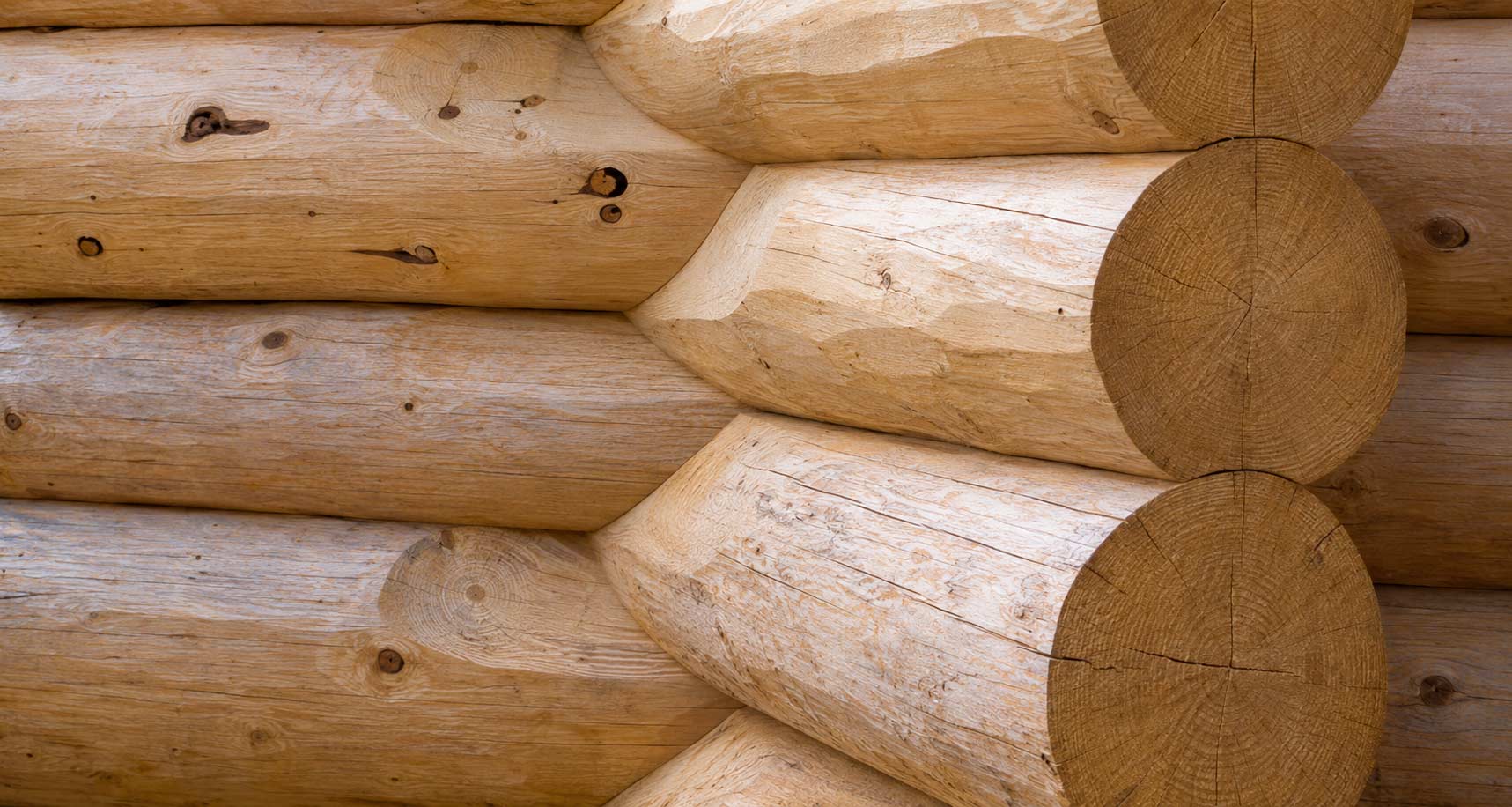
Engelmann Spruce
Engelmann Spruce is valued for its pale, bright appearance, relatively light weight and often impressive log diameters with minimal taper.
Its lighter colour provides an excellent foundation for natural and light-toned finishes. In a stacked log home, this can create a brighter interior while allowing the natural grain and texture of the timber to remain visible.
Spruce is also lighter than Douglas Fir, making it easier to handle and potentially more economical to transport. Its relatively low density gives it favourable insulating characteristics compared with denser species of similar dimensions.
Considerations: Engelmann Spruce has lower structural strength than Douglas Fir and must be appropriately selected and graded for its intended application. It is generally less suitable for heavily loaded structural beams where higher strength is required. Spruce also benefits from careful protection against prolonged moisture exposure through good roof overhangs, drainage detailing and a properly maintained exterior finish.
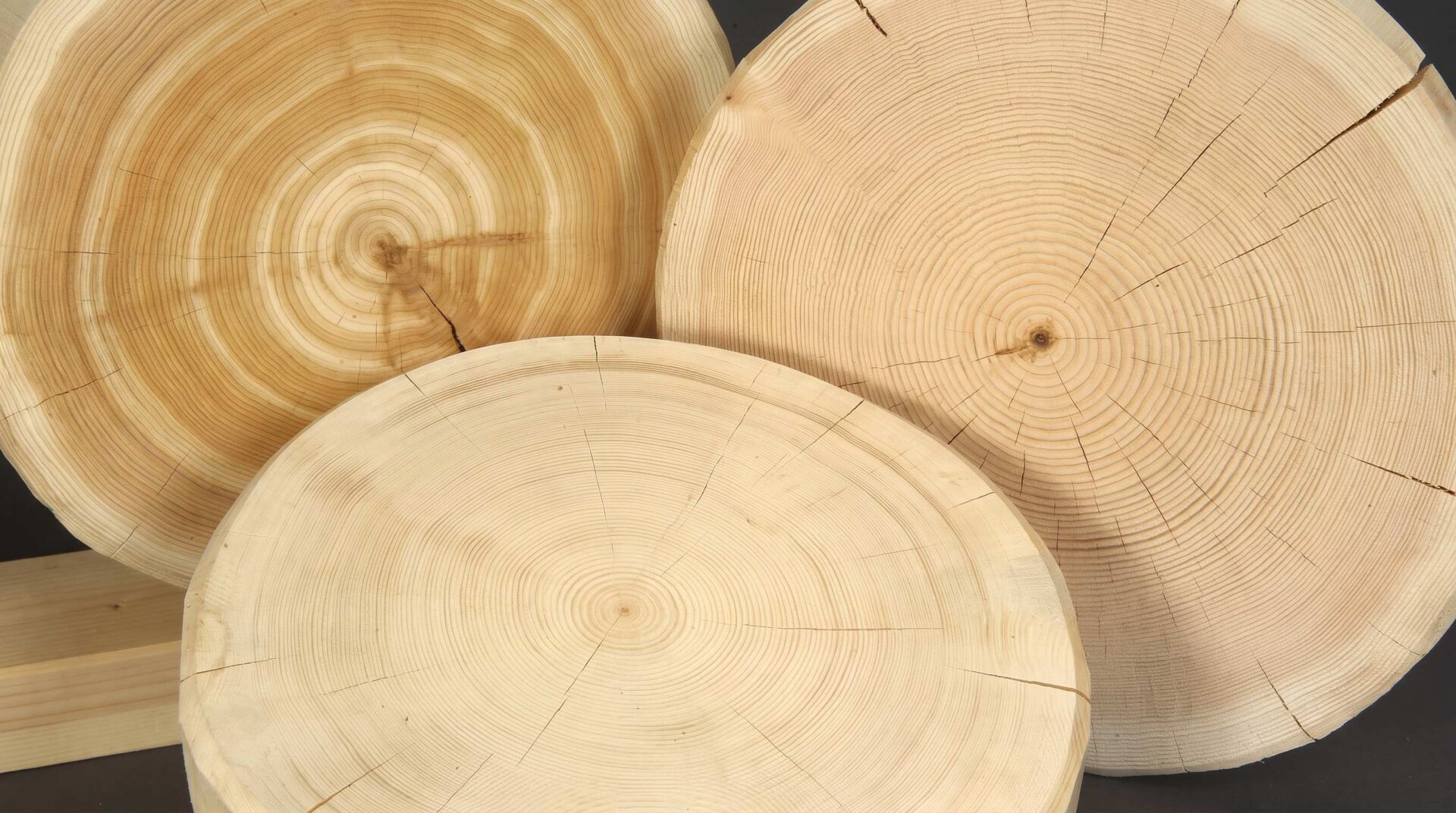
Choosing the Right Timber
There is no single wood species that is ideal for every application. The right choice depends on the architectural design, structural requirements, desired appearance, local climate, availability and intended use of the timber.
In many handcrafted log homes, the best solution is not to rely on a single species, but to use different timbers where their individual characteristics offer the greatest benefit.
A home might feature Douglas Fir for its primary structural beams and posts, Engelmann Spruce for its bright, substantial stacked log walls, or Western Red Cedar for its natural durability and distinctive character.
Ultimately, selecting timber is about understanding the material and respecting what nature provides. The character of the wood becomes part of the architecture itself, contributing to a home that is both structurally considered and visually enduring.
At Stonewood Log Homes, we believe that good design begins with good materials. Understanding the nature of the log is one of the first steps in creating a home with lasting character and craftsmanship.